
2026 Research
Volumetric Optical Decoherence via Adaptive Atmospheric Sculpting
This research presents a proprietary computational framework for achieving Volumetric Optical Decoherence (OID) within an ambient air medium. By utilizing high-precision acoustic pressure fields, the system generates dynamic, non-linear density gradients that reconfigure the refractive properties of the atmosphere.
This engine enables the active modulation of light trajectories, providing a computational foundation for programmed optical scattering and wavefront disruption without physical apparatus.
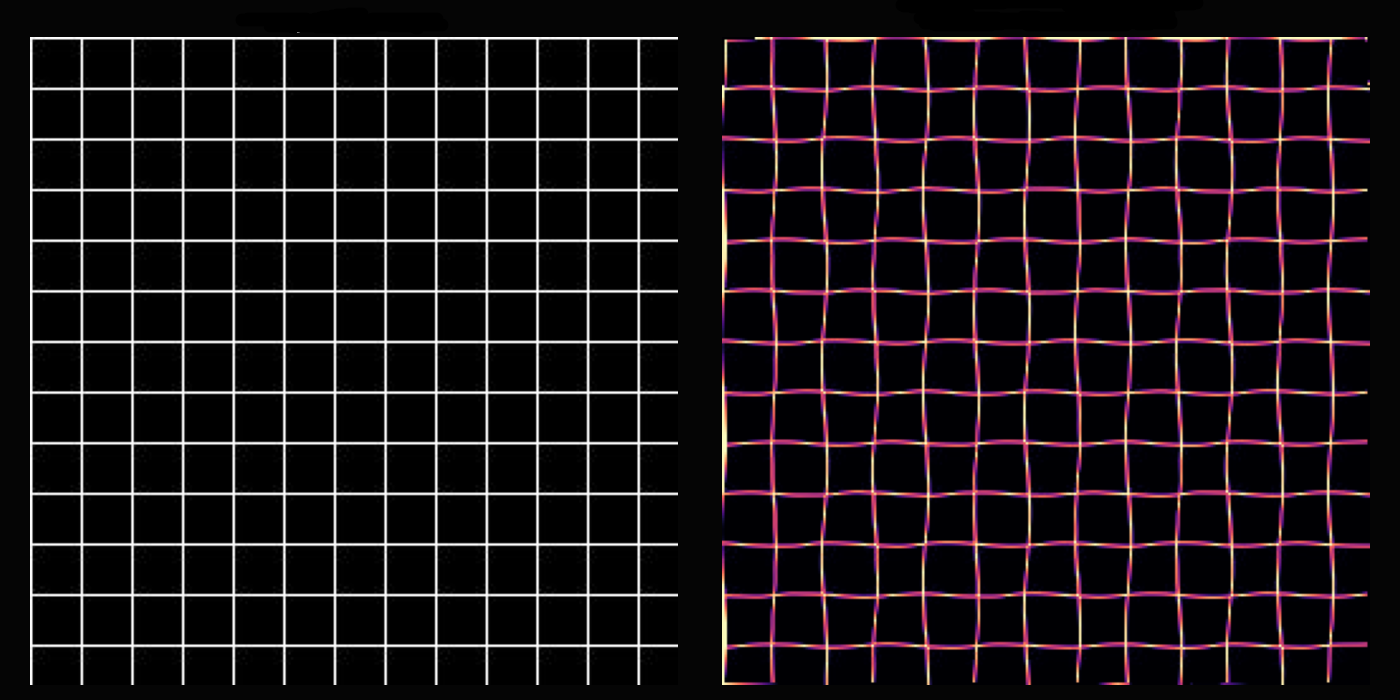
Figure 1: High-density refractive lattice generated via multi-element radial vibration.
Coordinated Refractive Phase Disruption
The primary objective of this project is the transformation of ambient air into a programmable Active Refractive Medium. By projecting coordinated radial vibrations, the system induces localized fluctuations in molecular density.
These controlled perturbations create a spatial gradient in the medium's refractive index. As photons traverse this synthesized field, their phase coherence is systematically disrupted, resulting in structured decoherence of the incoming optical signal.
Simulation Framework & Methodology
The engine analyzes the decoherence process through three distinct physical layers:
Phase A: Volumetric Field Synthesis
Mapping high-dimensional data into a precise 3D coordinate lattice to forge stable "Density Wells." These wells act as the structural backbone of the atmospheric decoherence field.Phase B: Dynamic Wavefront Dispersion Analysis
Real-time simulation of non-linear atmospheric fluctuations as photons traverse induced density gradients. The engine computes tens of thousands of stochastic light trajectories to map the spatial phase decorrelation and refractive index inhomogeneity synthesized by the acoustic-optical interaction.Phase C: Signal Degradation Verification
Simulating modulated light paths onto virtual CMOS sensors to quantify focal dispersion and the emergence of phase singularities that reconfigure the spatial data required for automated recognition.
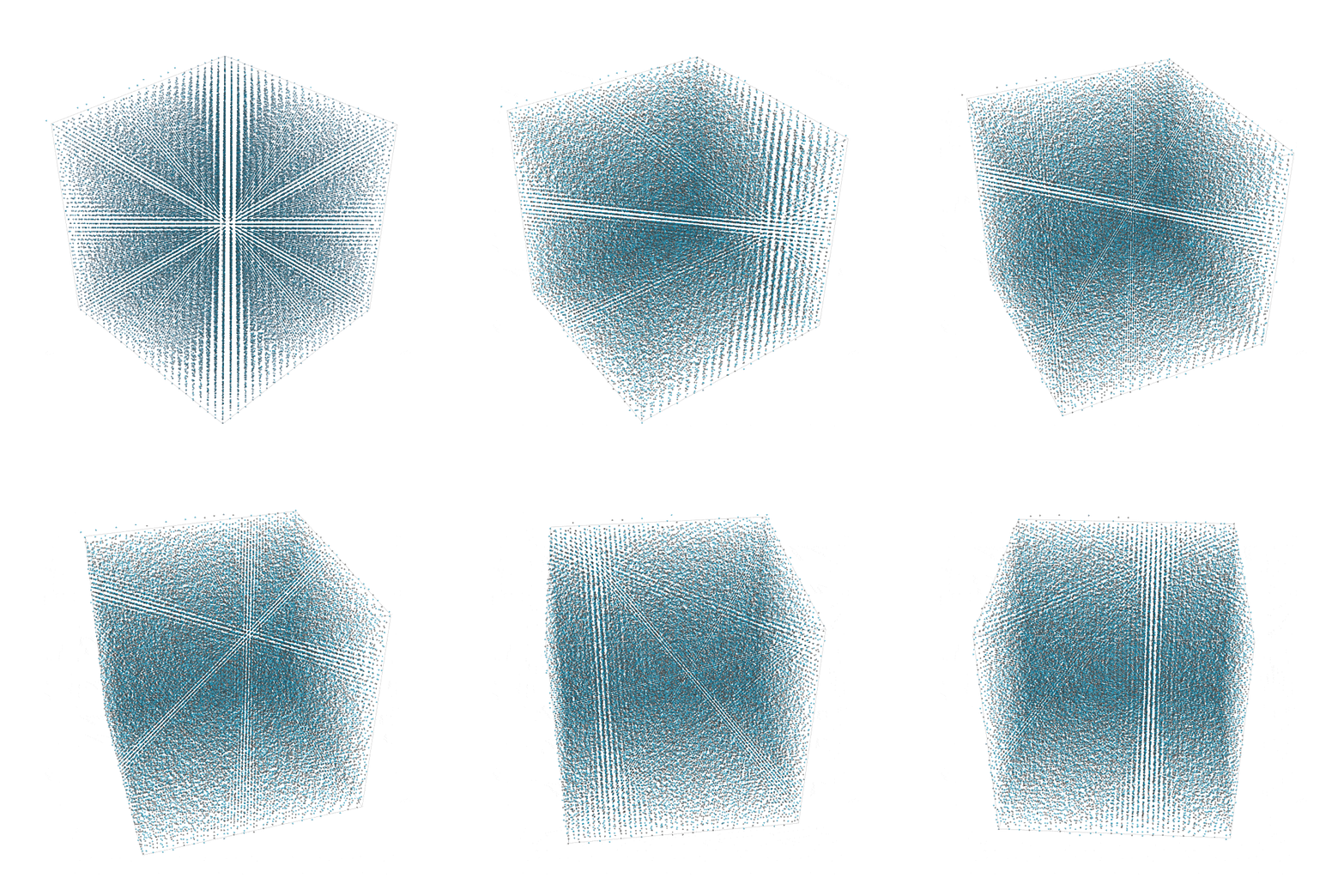
Figure 2: Real-time kinetic evolution of the refractive lattice. The cyan-to-azure gradients represent high-velocity phase shifts where the air density is being actively reshaped by programmed acoustic pressure.
Strategic Applications
The ability to manipulate the refractive properties of the atmosphere introduces disruptive possibilities across multiple high-tech sectors:
Autonomous Sensor Resilience: Creating an OID shield to protect LiDAR and CMOS systems from signal spoofing and malicious interference.
Dynamic Optical Cloaking: Forging volumetric "Blind Spots" in open air to prevent unauthorized digital imaging in secure facilities.
Next-Generation Atmospheric Lensing: Utilizing the entire air column as a programmable objective lens for adaptive communication and long-range imaging.
Official Publication & DOI
Full Research Result Available on Zenodo
For detailed numerical analysis and hardware feasibility studies,
please refer to the official technical report:
DOI : 10.5281/zenodo.21105196
